

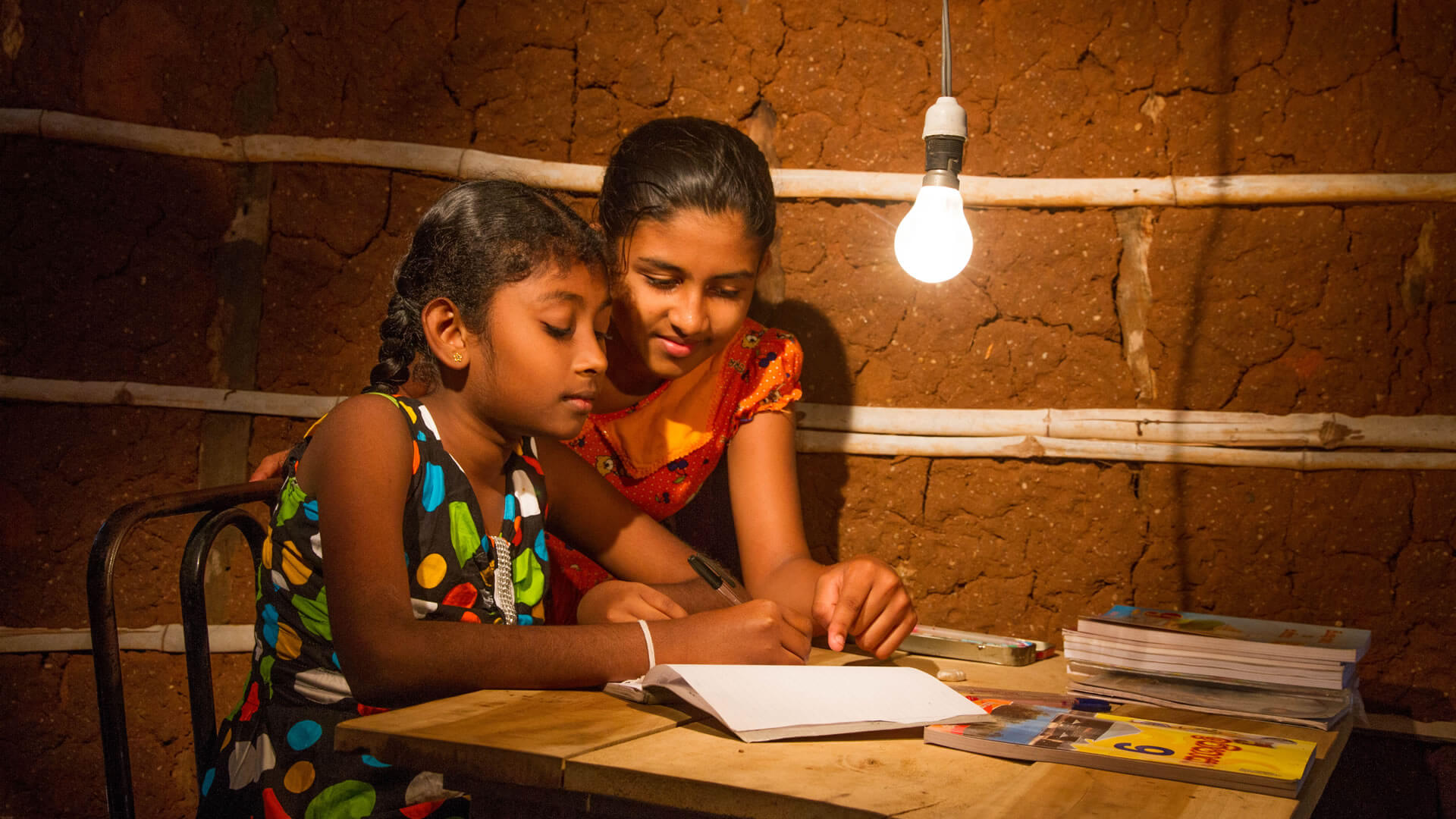
Parallel to the global energy transition, we are driving the sustainable energy revolution taking place across Sri Lanka underscored by the steady expansion of the Sri Lankan energy sector.
The sustainable energy industry is expected to facilitate a number of economic activities and continue to grow rapidly in the coming years. There is tremendous economic opportunities and for the countries that innovate and develop these clean energy technologies and great economic advantages which utilise these clean energy.
Sri Lanka is endowed with several types of renewable energy resources, including biomass, hydropower, solar and wind. Sri Lanka aspires to become a carbon neutral country by 2050 by making the most out of the energy available and developing cleaner energy resources according to the National Energy Policy and Strategies of Sri Lanka.
In preparation for this future, we promote the widespread adoption of energy efficiency improvement and conservation and increased use of all forms of renewable energy in the pursuit of sustainable development, energy access, energy security and low-carbon economic growth, creation of local value and prosperity.
As the governing body responsible for pioneering the sustainable energy revolution in Sri Lanka, we aim to facilitate the development of our nation’s rich energy resources, including solar, wind, water and bioenergy.
Sustainable and renewable energy plays and important role in the energy future of the world, with energy generated from traditional fossil fuels causing detrimental impact to the environment by contributing to greenhouse gas emissions. Additionally, the rapid depletion of fossil fuel, which are non-renewable has led to governments, responsible environmental authorities and many industries to consider alternative renewable...
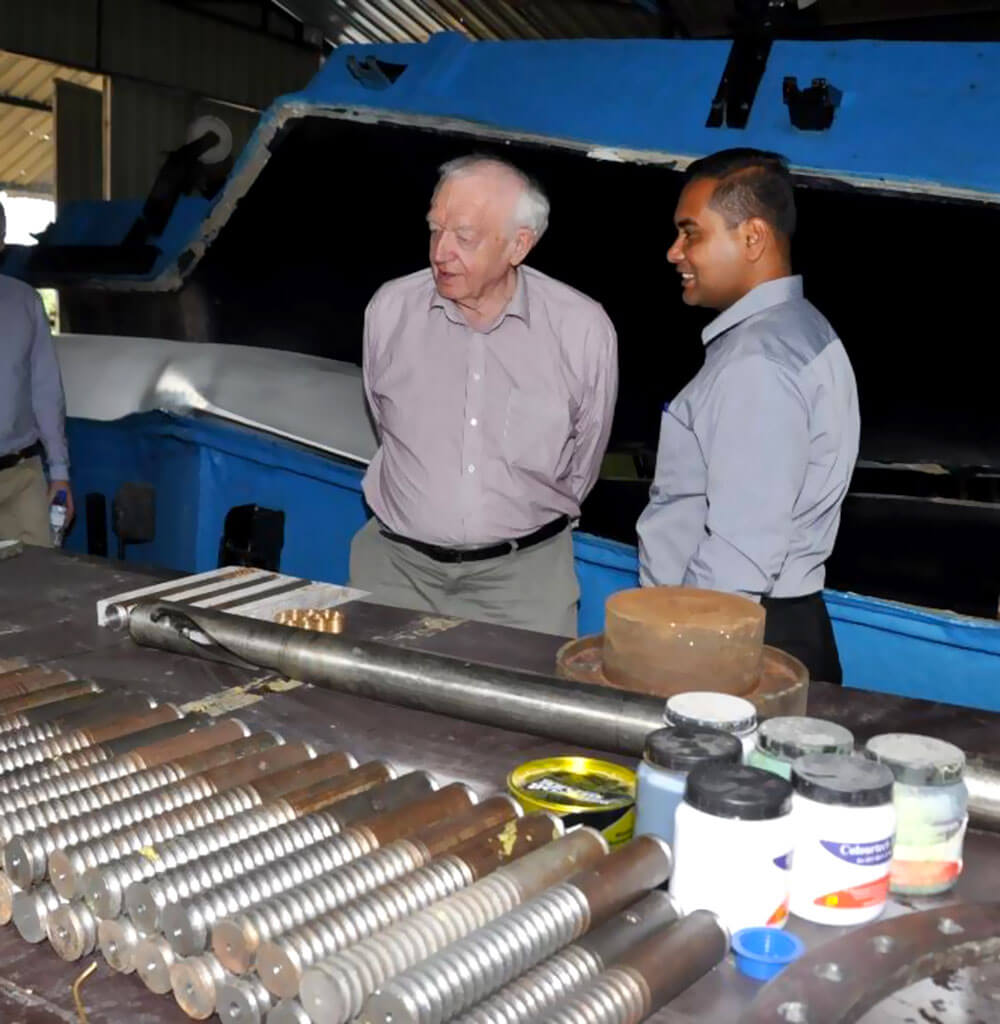

Energy Efficiency simply means using less energy to perform the same task - that is, eliminating energy waste. Energy efficiency brings a variety of benefits: and lowering our costs on a household and the whole economy, reducing demand for energy imports and reducing greenhouse gas emissions. While renewable energy technologies also help accomplish these...
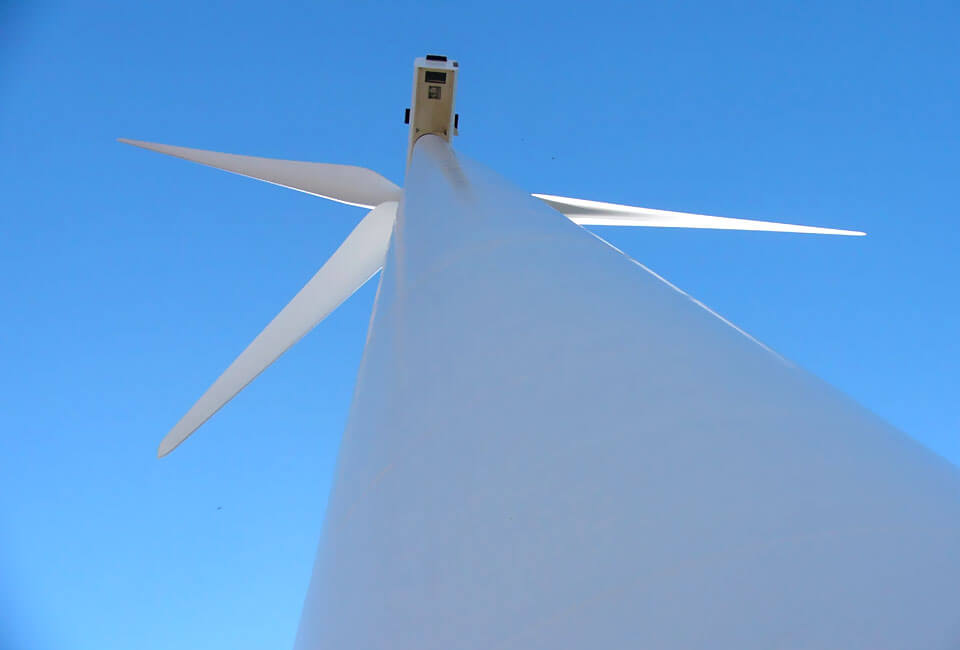
Depletion of resources and constant increase of energy demand has a major impact on climate change and ecological disasters of our planet. Growing world population as well as better living conditions creates a growing energy demand.
With this in mind, we support industries and sectors in their transition to a sustainable...
A high-level meeting on the next stage of Sri Lanka’s Offshore Wind Phase III was held on October 1, 2026, at the Ministry of Energy, with the participation...
Sri Lanka Sustainable Energy Authority (SLSEA) marked its 19th anniversary on 01st October 2026 with a special ceremony under the patronage of Hon....
Confianza 2026, the annual Commerce Day of Ananda Balika Vidyalaya, Colombo, was held on 29 September 2026 at the historic Elphinstone Theatre, bringing...
Sri Lanka is taking steps to professionalize its rapidly expanding solar energy sector by introducing mandatory National Vocational Qualification (NVQ)...
A validation workshop on the feasibility study to enhance the uptake of domestic sector rooftop solar systems in Sri Lanka was held on 13 August 2026...
A significant milestone in Sri Lanka’s efforts to strengthen energy efficiency and promote energy-efficient air conditioners was marked on 05th August...
The Sri Lanka Sustainable Energy Authority (SLSEA), in collaboration with the Industrial Development Authority (IDA) - Western Province, successfully...
The Sri Lanka Sustainable Energy Authority (SLSEA), in collaboration with the Solar Industries Association (SIA) and Huawei Digital Power, successfully...
SLSEA and the PEEB Cool Programme are bringing policymakers and building practitioners together to improve energy efficiency, climate resilience and...
The Sri Lanka Sustainable Energy Authority (SLSEA) has initiated a Strategic Environmental Assessment (SEA) to support renewable energy development...
Eng. Rohana Randombage assumed duties on 08th July 2026 as the Director General of Sri Lanka Sustainable Energy Authority (SLSEA). The Chairman (SLSEA)...
Sri Lanka has taken a historic leap toward a green energy revolution with the official launch of its first Offshore Wind Pre-Feasibility Report on 27...
The dawn of new year 2026 was officially commemorated on 01.01.2026 at SLSEA premises in a simple ceremony. In line with it hoisting of national flag,...
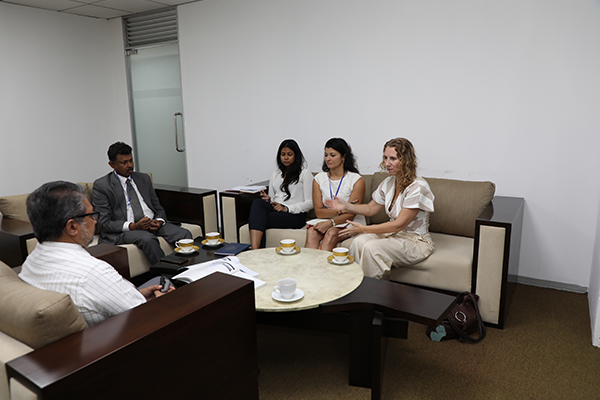
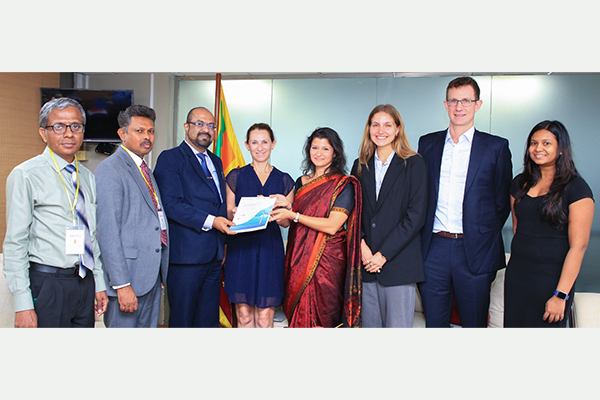
A high-level meeting on the next stage of Sri Lanka’s Offshore Wind Phase III was held on October 1, 2026, at the Ministry of Energy, with the participation of representatives from the World Bank and senior officials involved in the country’s renewable energy sector.
The meeting was attended by the Deputy British High Commissioner to Sri Lanka, Ms. Theresa O’Mahony, Secretary to the Ministry of Energy, Mr. G. M. R. D. Aponsu, Senior Infrastructure Finance Specialist, Ms. Prajakta Ajit Chitre of the World Bank and Chairman of the Sri Lanka Sustainable Energy Authority (SLSEA), Prof. Wijendra J. Bandara and Economic Advisor of the British High Commission in Sri Lanka, Ms. Lakshila Wanigasinghe.
A prefeasibility study conducted on offshore wind development has identified an estimated 1,500 MW of potential offshore wind capacity in the Mannar and Puttalam areas of Sri Lanka. The findings highlight the significant opportunity available for the country to expand renewable energy generation through offshore wind resources.
The discussions focused on the findings of the prefeasibility study, the proposed next stage of development, and the way forward for advancing the offshore wind programme.
The meeting was described as highly successful, with constructive discussions among the participating institutions and the development partners. It was agreed that the next phase of the offshore wind development programme will be initiated shortly, marking another step towards strengthening Sri Lanka’s renewable energy capacity and advancing its transition towards sustainable energy.

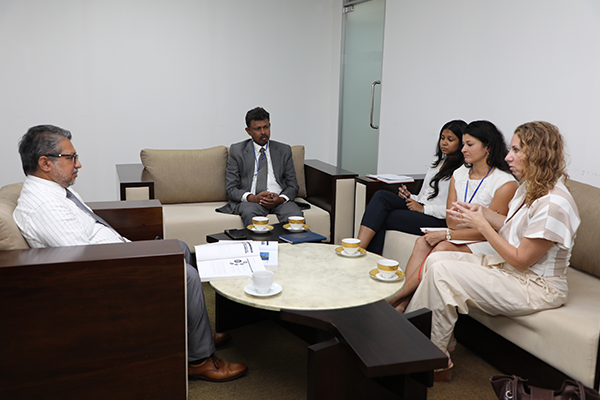
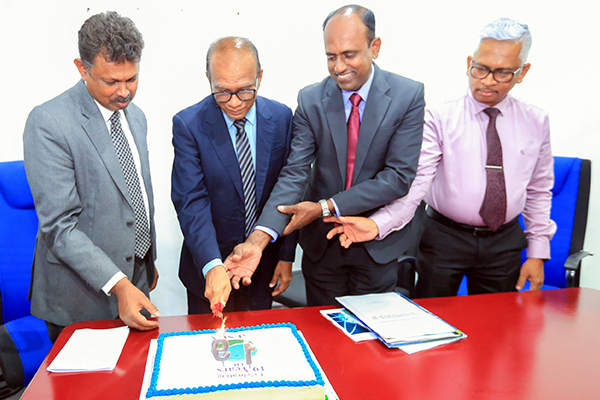
Sri Lanka Sustainable Energy Authority (SLSEA) marked its 19th anniversary on 01st October 2026 with a special ceremony under the patronage of Hon. Anura Karunathilake, Minister of Energy, reaffirming the country’s commitment to advancing sustainable energy practices.
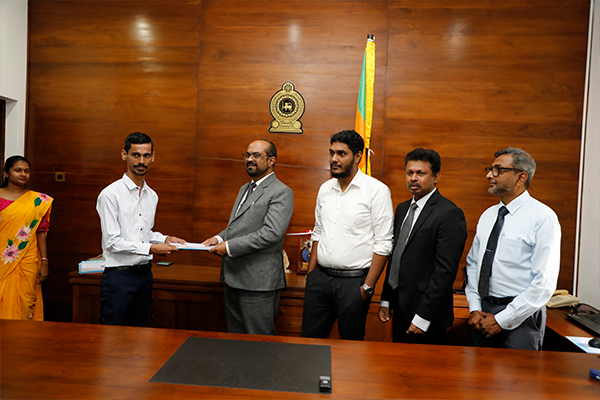
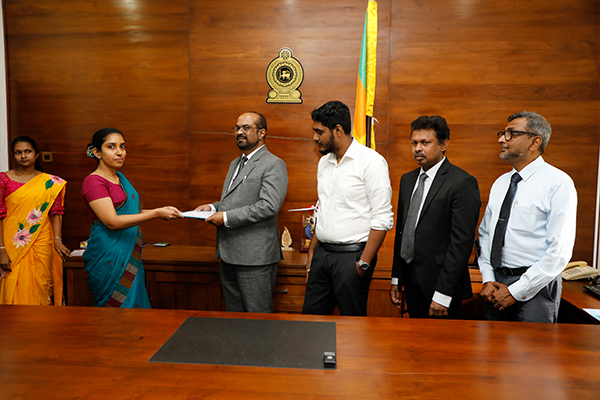
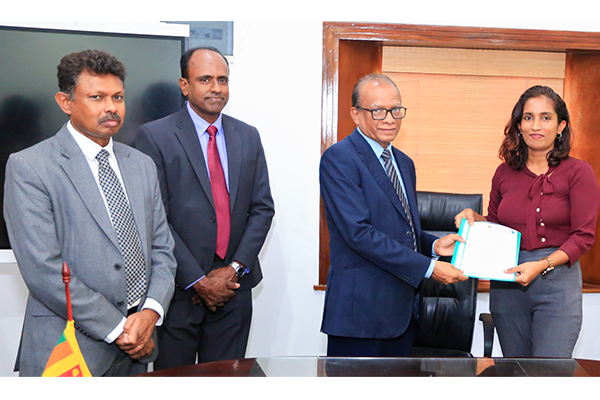
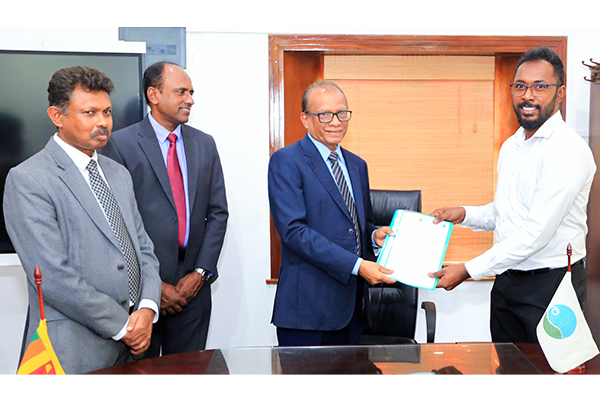
A key highlight of the anniversary celebration was the presentation of appointment letters to newly recruited seven Technical Assistants and one Assistant Director by Hon. Minister Karunathilake.
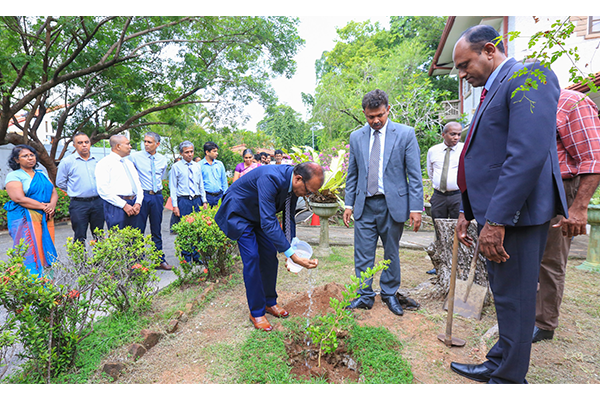
As part of the anniversary programme, SLSEA also announced several environmental initiatives. A tree-planting campaign will be launched in the Siyabalanduwa area with the objective of planting 1,000 saplings. Symbolizing the initiative, the Minister planted a wood apple sapling at the SLSEA premises. In addition, a coastal clean-up programme is scheduled to be conducted shortly in the Wattala area in collaboration with the National Cleaner Production Centre (NCPC).
Addressing the gathering, Minister Karunathilake highlighted Sri Lanka’s progress in renewable energy, noting that approximately 60% of electricity generation is currently being supplied through renewable energy sources. He further stated that the national target is to increase renewable energy utilization for electricity generation to 70% by 2030.
The Minister endorsed SLSEA’s continued efforts to promote sustainable energy in the country and called for greater attention to extending sustainable energy applications to the transport sector. He also emphasized the importance of raising public awareness on energy consumption patterns, particularly the need for responsible electricity use during peak demand periods.
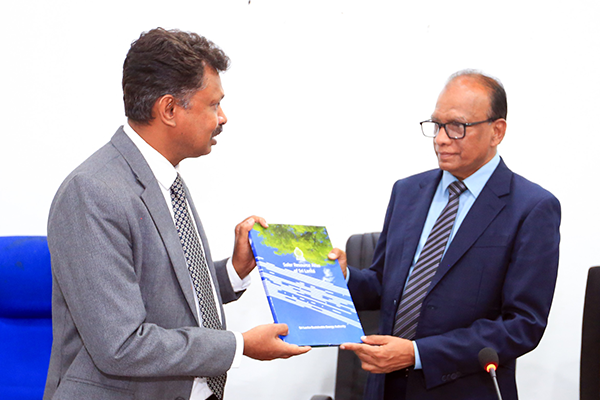
Another significant moment of the ceremony was the ceremonial presentation of Renewable Energy Resource Maps and Development Plans developed by SLSEA to the Minister by Prof. Wijendra Bandara, Chairman of SLSEA.
Speaking at the event, Prof. Wijendra Bandara stated that committees on the Energy Policy and the Energy Transition Act are expected to be appointed shortly, with the objective of expediting the country’s transition towards clean energy.
Eng. Rohana Randomage, Director General of SLSEA addressing the gathering, stated that the ultimate goal of the Authority is to contribute towards achieving a carbon-neutral Sri Lanka by 2050, underscoring SLSEA’s long-term commitment to sustainable energy development and climate action.
Eng. Vimal Nadeera, DDG (SSM), Eng. Chamila Jayasekera, DDG (DSM), officials of the Ministry of Energy and SLSEA, and other distinguished guests graced the anniversary ceremony.
The anniversary celebration thus provided a platform to recognize SLSEA’s achievements while reinforcing its future direction towards renewable energy expansion, sustainable energy use, environmental conservation and the transition to a low-carbon energy system.

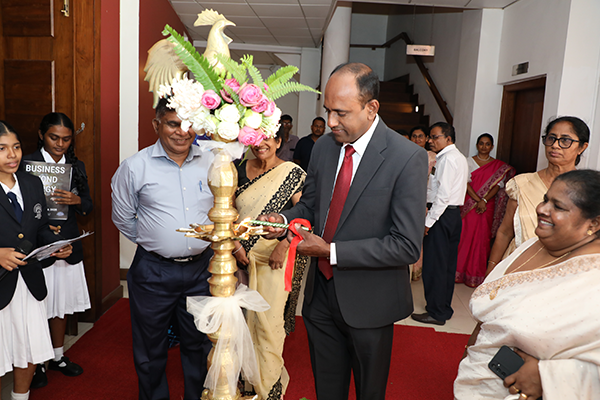
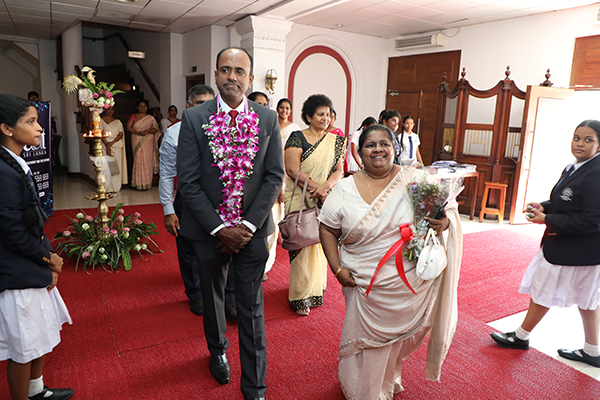
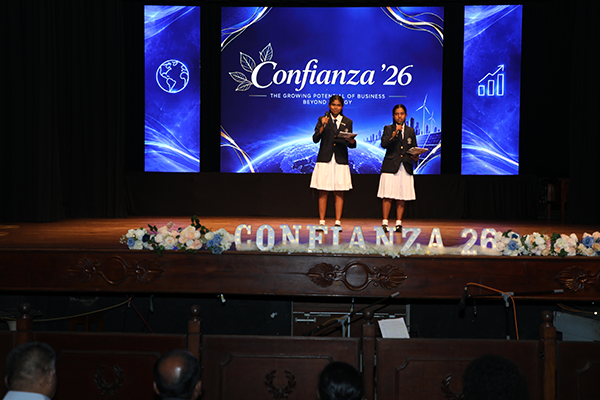
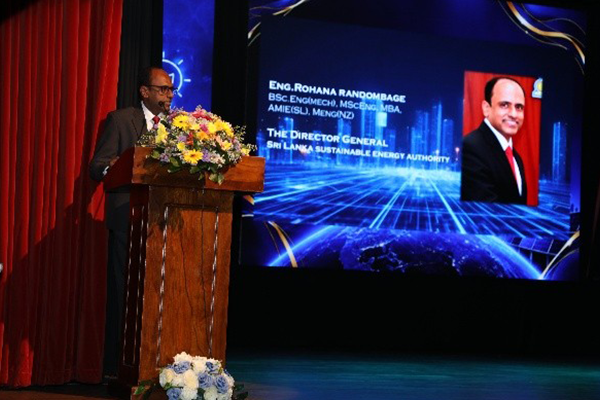
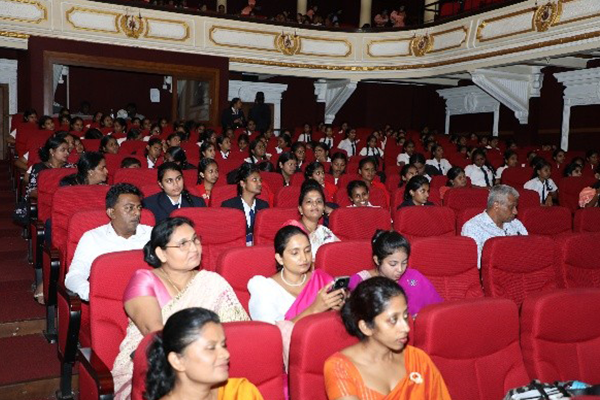
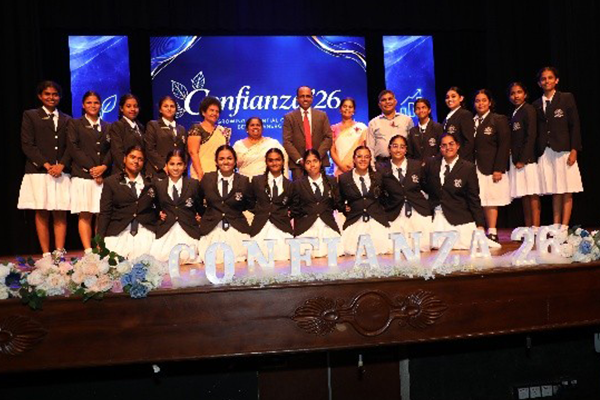
Confianza 2026, the annual Commerce Day of Ananda Balika Vidyalaya, Colombo, was held on 29 September 2026 at the historic Elphinstone Theatre, bringing together students, teachers, parents and invited guests for a vibrant celebration of commerce, entrepreneurship, innovation and creativity.
The event was graced by Eng. Rohana Randombage, Director General of the Sri Lanka Sustainable Energy Authority (SLSEA), as the distinguished guest. Delivering a special guest lecture in line with the theme “Business Beyond Energy,” Eng. Randombage highlighted the growing importance of sustainable energy, energy efficiency and responsible business practices in shaping Sri Lanka’s economic future. His presentation provided students with an opportunity to understand how the energy sector is closely connected with entrepreneurship, innovation, technology and sustainable development.
The event was also attended by Mrs. W. B. D. Kumudunie, Principal of Ananda Balika Vidyalaya, and Mr. E. G. Dabare, Head of the Commerce Section, together with students and teachers from invited schools and parents of the students.
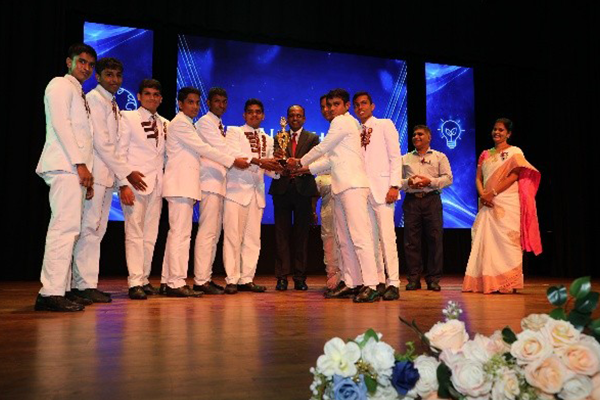
As part of Confianza 2026, a series of inter-school competitions were organized to encourage students to demonstrate their knowledge, creativity and technological skills. AI video clip, quiz and robotics competitions provided platforms for young participants to explore emerging technologies, analytical thinking, teamwork and innovative approaches to contemporary challenges. Awards and certificates were presented to the winners in recognition of their outstanding performances.
Adding colour and glamour to the occasion, students of Ananda Balika Vidyalaya presented a variety of cultural performances, including songs, dances and stage dramas, creating an entertaining and memorable experience for the audience. The performances reflected the talents, creativity and confidence of the students while complementing the educational objectives of the event.
Confianza 2026 thus served not only as a celebration of commerce education but also as a platform for encouraging the younger generation to think beyond conventional business concepts. The emphasis on “Business Beyond Energy” brought together commerce, sustainable energy, technology and innovation, demonstrating the importance of developing future business leaders who can contribute to a more sustainable and technologically advanced Sri Lanka.
The successful event reflected the commitment of Ananda Balika Vidyalaya to providing students with opportunities to connect classroom learning with contemporary economic, technological and environmental challenges, while fostering creativity, leadership and entrepreneurial thinking among the next generation.

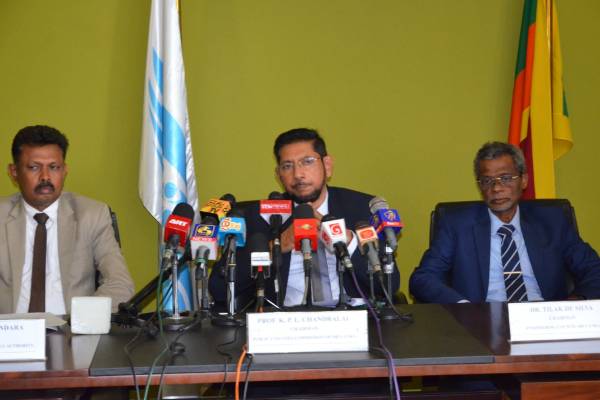
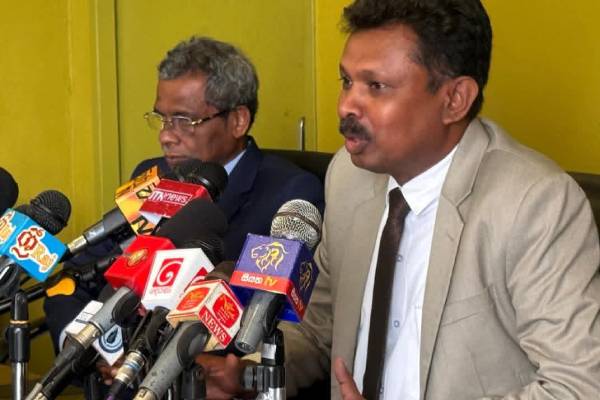
Sri Lanka is taking steps to professionalize its rapidly expanding solar energy sector by introducing mandatory National Vocational Qualification (NVQ) requirements for solar power technicians, while simultaneously launching programmes to provide free vocational qualifications to experienced technicians.
The measures were announced at a press briefing held at the Public Utilities Commission of Sri Lanka (PUCSL) on September 3, 2026. The briefing was graced by Prof. Wijendra J. Bandara, Chairman of the Sri Lanka Sustainable Energy Authority (SLSEA), Prof. Lalith Chandralal, Chairman of the PUCSL, and Eng. Dr. Thilak de Silva, Chairman of the Engineering Council of Sri Lanka (ECSL).
Sri Lanka is targeting a 70% share of renewable energy in electricity generation by 2030. To support this target, approximately 600 MW of solar power capacity needs to be added to the national electricity system each year. More than 1,000 companies have already obtained licenses from the SLSEA to import and install solar power systems, while approximately 10,000 people are currently employed in the solar power industry.
However, a significant portion of those working in the sector do not possess nationally recognized professional qualifications in solar technology. At the same time, the country has a limited number of training centers equipped to provide specialized solar technology training and faces a shortage of qualified instructors and assessors.
Against this backdrop, approximately 500 qualified solar technicians need to be produced annually. In order to facilitate this, SLSEA and PUCSL have launched a joint programme to train 500 solar power technicians and 100 instructors and inspectors. Approximately 1,500 solar technicians have already been trained under the programme.
A special programme is now being implemented to provide NVQ Level 3 qualifications in solar technology through the Recognition of Prior Learning (RPL) system. Under this initiative, solar technicians who have more than two years of experience in the industry will be able to obtain the NVQ qualification free of charge. The programme will enable experienced technicians to have their existing skills and practical experience formally assessed and recognized through a nationally recognized vocational qualification.
The initiative is intended to bridge the gap between the rapid growth of the solar industry and the availability of formally qualified technical personnel, while ensuring that technicians undertaking solar installations possess the competencies required for safe and reliable work.
The Engineering Council of Sri Lanka has gazetted regulations governing the practice of solar power systems technicians. Under the new requirements, NVQ Level 3 in the relevant field will be the minimum qualification required to practice as a solar energy technician from January 1, 2028, to December 31, 2029. From January 1, 2030, those engaged in the profession will be required to possess at least;
The phased introduction of these requirements is expected to raise the professional standards of solar technicians in Sri Lanka, improve the quality and reliability of solar installations, strengthen electrical safety and provide a more skilled workforce to support the country's renewable energy targets.

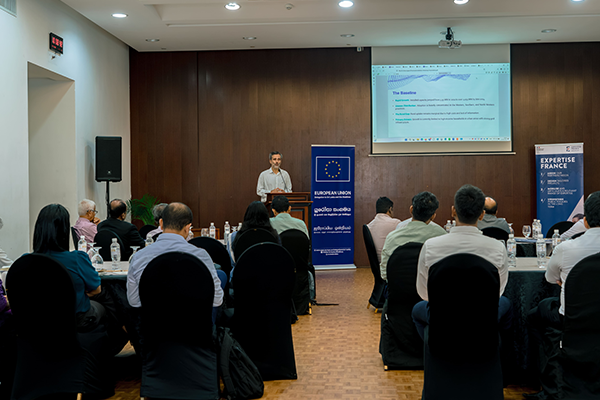
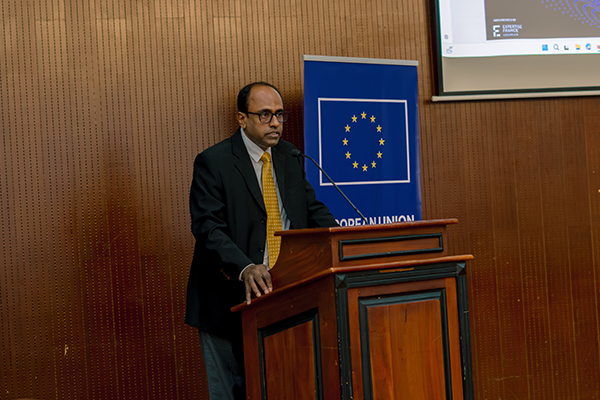
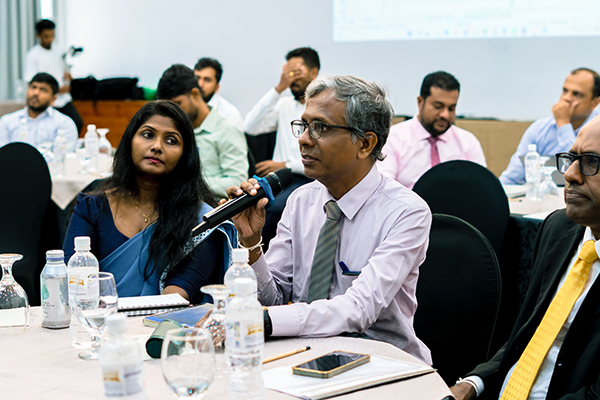
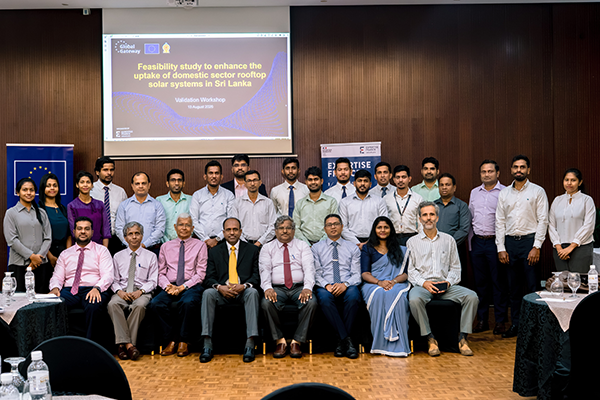
A validation workshop on the feasibility study to enhance the uptake of domestic sector rooftop solar systems in Sri Lanka was held on 13 August 2026 at BMICH, Colombo. The feasibility study is being undertaken by expertise France through the EU Green Recovery Facility, with the Ministry of Environment serving as the national focal point and the Sri Lanka Sustainable Energy Authority (SLSEA) serving as the focal coordinator for the sub-project. Grant Thornton Bharat and its consortium partner SunBD are the international consultants, supported by Syntara Energy as the national consultant.
The workshop brought together representatives from EDL and LECO, SLSEA, PUCSL, national financial institutions, rooftop solar installers, consumers, and international development partners, providing diverse technical, regulatory, financial, and end-user perspectives. The workshop presented the key findings and recommendations on domestic rooftop solar uptake, distribution transformer island battery storage and the transformer island concept, as well as funding mechanisms and implementation pathways. These sessions were followed by stakeholder discussions and validation, providing an opportunity for participants to share their perspectives and contribute to refining the study recommendations.
Eng. Rohana Randombage, Director General of SLSEA and other distinguished guests graced the occasion.

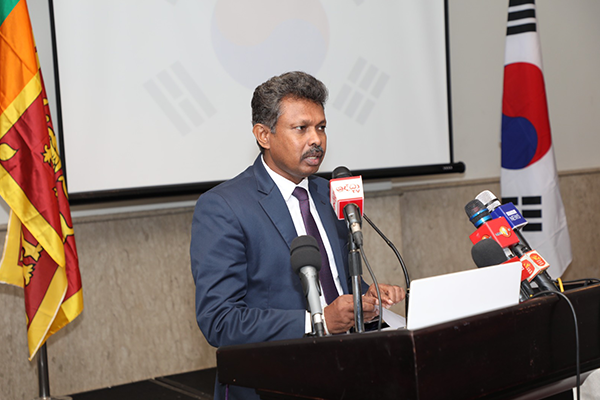
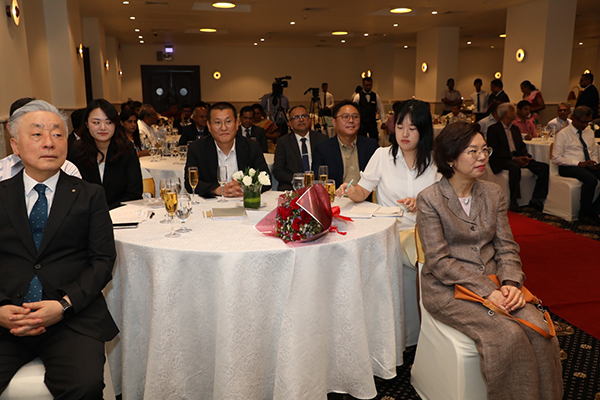
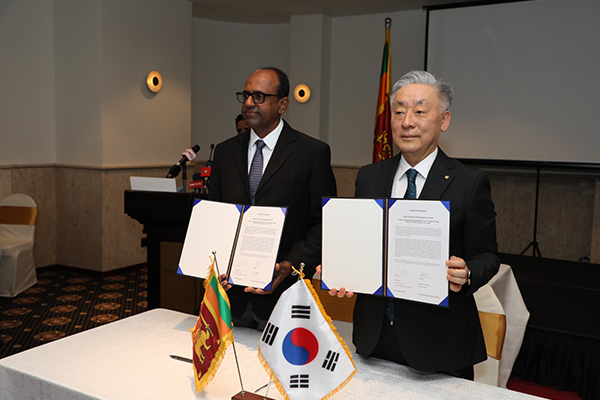
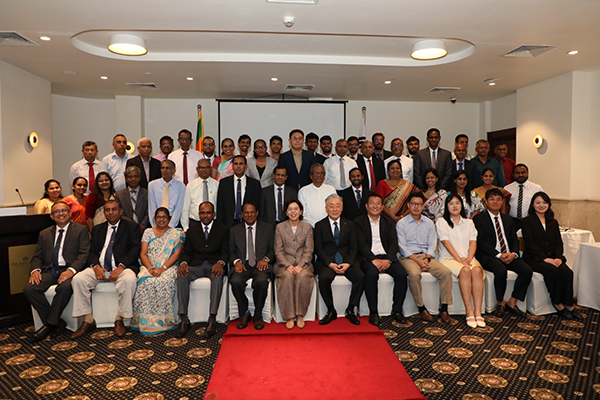
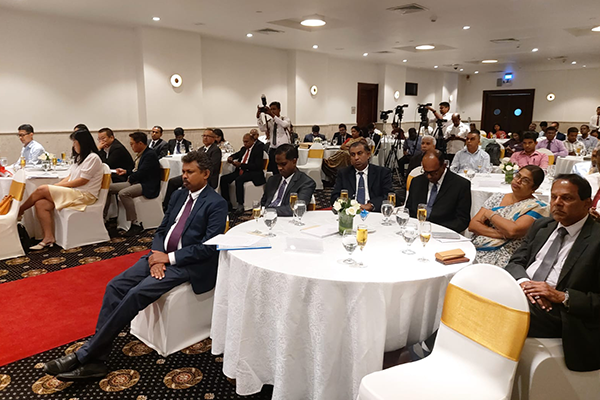
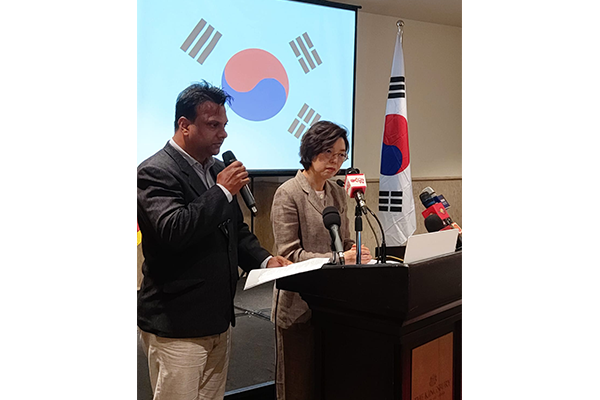
A significant milestone in Sri Lanka’s efforts to strengthen energy efficiency and promote energy-efficient air conditioners was marked on 05th August 2026 with the Project Achievement Sharing and Handover Ceremony of the Air Conditioner Energy Efficiency Testing Laboratory Project, held at The Kingsbury hotel in Colombo.
The project, titled “Establishment of an Air Conditioner Energy Efficiency Testing Laboratory in Sri Lanka,” was implemented through cooperation between the Korea Energy Agency (KEA), Korea Research Institute on Climate Change (KRIC), Korea Testing Certification Institute (KTC) and Sri Lanka Sustainable Energy Authority (SLSEA). The test laboratory was established in collaboration with the Lanka Electricity Company (Pvt.) Ltd., (LECO) at technical training Centre in Ja -Ela.
The ceremony brought together senior officials and technical representatives from Sri Lanka and the Republic of Korea to commemorate the successful completion of the project and the transfer of the laboratory and associated project assets to Sri Lanka. The programme was graced by the participation of the ambassador of the Republic of Korea, H.E. Miyon Lee, Chairman – SLSEA, Prof. Wijendra J. Bandara, Chairman – LECO Eng. Kanishka Jayasekera, Chairman – Sri Lanka Accreditation Board (SLAB), Air Vice Marshal (Retired) Prasanna Ranasinghe and the programme included a detailed technical presentation on the test facility, the signing and exchange of the official Handover Certificate between KEA and SLSEA. Also, the test laboratory received the accreditation Certificate of ISO 17025 from the Sri Lanka Accreditation Board (SLAB) during the event.
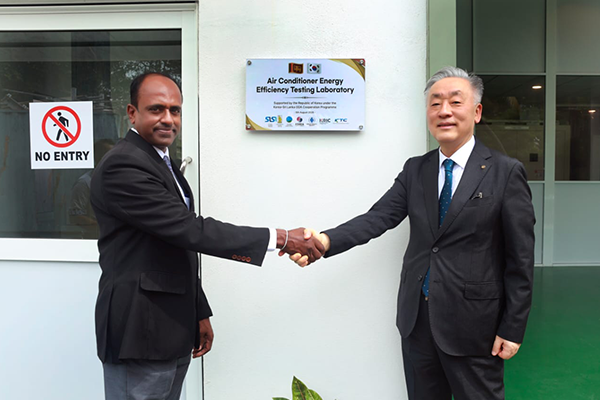
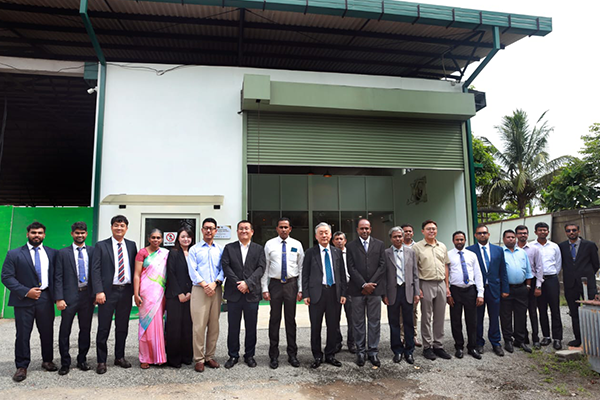
In connection to the programme, a special commemorative laboratory plaque unveiling ceremony was held at LECO technical training Centre, Ja -Ela, jointly involving representatives of SLSEA, SLSI, LECO, KEA and KRIC. This was followed by a guided tour of the laboratory and a technical briefing on its facilities and capabilities.
The laboratory is equipped with an indoor air enthalpy system for testing the energy performance of air conditioners, including indoor and outdoor testing chambers, environmental control systems, temperature and humidity measuring equipment, power measurement systems, data acquisition and processing systems and dedicated testing software. The facility is designed to test wall-mounted, split-type inverter and non-inverter air conditioners with capacities of up to 60 000 BTU or 17 kW thermal.
The project, funded by the Republic of Korea with a total investment of USD 1.4 million, was implemented to enhance Sri Lanka's capacity in testing and promoting energy-efficient air conditioners. Of the total project funding, USD 0.8 million was allocated for the establishment of the state-of-the-art Air Conditioner Testing Laboratory, which will serve as a key national facility for performance testing and energy efficiency verification.
The successful completion and handover of the laboratory represents a major step towards energy efficiency enhancement of air conditioners in the country, supporting evidence-based policy implementation, and promoting rational energy use in space cooling in the country. The initiative also reflects the strong partnership between the Republic of Korea and Sri Lanka in advancing clean energy technologies and environmental sustainability.

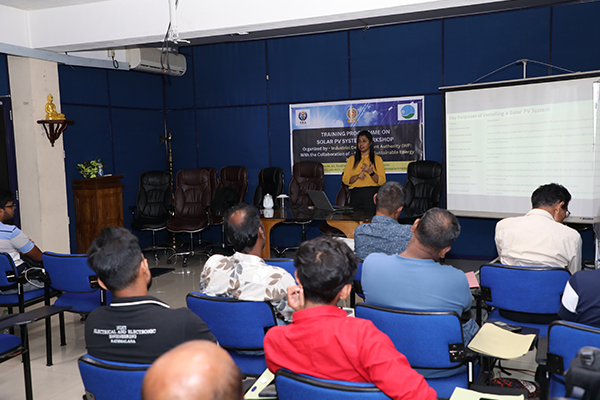
The Sri Lanka Sustainable Energy Authority (SLSEA), in collaboration with the Industrial Development Authority (IDA) - Western Province, successfully conducted a two-day Solar Energy and EV Charging Systems Training Programme on 18-19 July 2026 at the IDA Auditorium, Nugegoda. The programme brought together industry professionals, engineers, technical officers, entrepreneurs and stakeholders to strengthen technical knowledge and promote best practices in renewable energy technologies and electric vehicle (EV) charging infrastructure.
The training programme was organized in response to the rapidly growing demand for qualified professionals in the renewable energy sector, particularly in solar photovoltaic (PV) systems and EV charging technologies, which are playing an increasingly important role in Sri Lanka's transition towards a clean, resilient and sustainable energy future.
The inaugural session commenced with a welcome address delivered by Mr. Lahiru Sadaruwan, Development Officer of the Industrial Development Authority, who emphasized the importance of developing local technical expertise to support the country's expanding renewable energy sector.
The first day of the programme covered a wide range of technical topics beginning with Electric Vehicle Charging Systems, conducted by Eng. Isarith Gunarathna of Green EV (Pvt.) Ltd. Participants were introduced to the latest EV charging technologies, charging infrastructure requirements, safety considerations and future developments in electric mobility.
This was followed by a comprehensive session on the Fundamentals of Solar Energy, Photovoltaic Effects and PV Cell Characteristics by Eng. Gamini Sarachchandra, former Director of the Public Utilities Commission of Sri Lanka (PUCSL), providing participants with a solid understanding of solar photovoltaic technology and energy generation principles.
During the afternoon sessions, Eng. Priankara Manoj, Consultant of SLSEA, delivered an informative presentation on Solar Inverters and System Configuration, while Eng. Hasitha Karunarathna, Deputy Director of the Sri Lanka Standards Institution (SLSI) discussed PV System Standards, highlighting national and international standards that ensure quality, safety and system reliability.
The final technical session of the first day was conducted by Eng. Naduni Abeysumana of SLSEA, focusing on Common Mistakes and Technical Shortcomings in Solar PV Installations. Participants were exposed to practical examples of installation errors, quality assurance measures and methods for improving overall system performance.
The second day commenced with another session by Eng. Naduni Abeysumana, who presented on Technical Evaluation of Solar Projects, explaining project assessment methodologies, performance analysis and technical compliance required for successful solar energy projects.
Subsequently, Mr. S. H. P. Samaranayake, Project Coordinator of SLSEA, conducted a session on Operation and Maintenance of Solar PV Systems, emphasizing preventive maintenance practices and operational efficiency to maximize long-term system performance.
Participants also undertook a field visit to Mega Solar PLC, Delkanda, where they observed practical applications of solar photovoltaic technologies and gained valuable exposure to commercial-scale solar installations.
The afternoon technical sessions featured Eng. Greshan Milroy, former DGM of the Ceylon Electricity Board (CEB), who explained Grid Connection Requirements for Utility-scale Solar Projects, followed by Eng. Prabath Premathilake of CEB, who delivered a presentation on Utility Solar, Battery Energy Storage Systems and Microgrid Applications, highlighting the future direction of integrated renewable energy systems in Sri Lanka.
The programme concluded with an interactive discussion session, allowing participants to engage directly with the panel of experts, clarify technical issues and exchange professional experiences. Certificates were awarded to 25 Technical Officers by Mr. I. M. J. C. B. Illankoon, Chairman of the Industrial Development Authority, in recognition of their successful completion of the training programme.
Delivering the vote of thanks, Mr. Lahiru Sadaruwan, Development Officer of IDA, expressed appreciation to the resource persons, participating organizations, SLSEA officials and all attendees for contributing to the success of the programme.
The training programme reflects the continued commitment of the Sri Lanka Sustainable Energy Authority to building national capacity in renewable energy technologies and supporting the Government's clean energy transition. Through strategic partnerships with institutions such as the Industrial Development Authority, SLSEA continues to empower professionals with the knowledge and technical competencies required to accelerate the adoption of sustainable energy solutions, improve installation quality, promote energy security and contribute towards achieving Sri Lanka's renewable energy and climate goals.

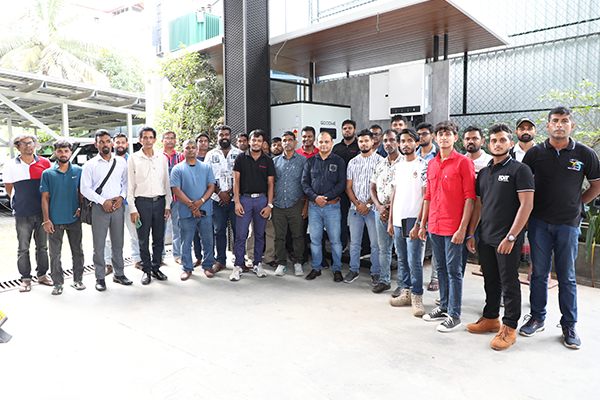
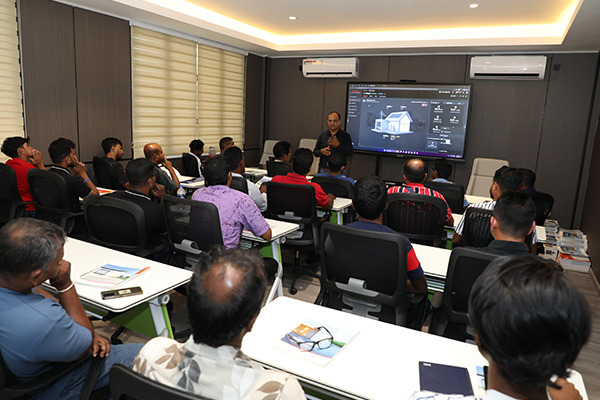
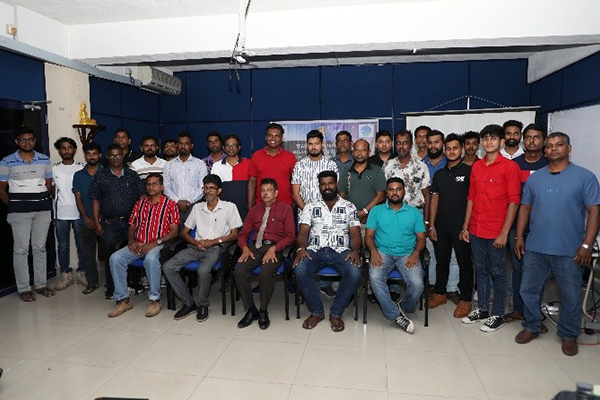
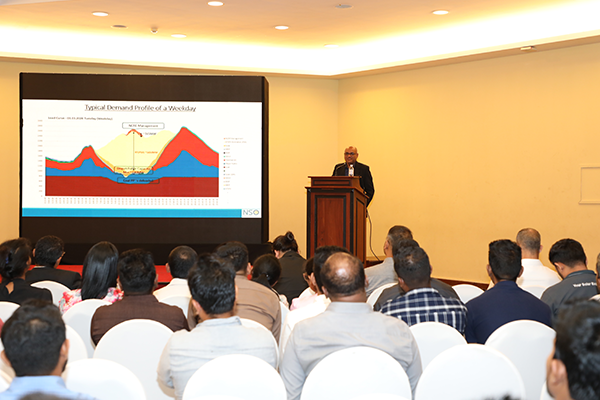
The Sri Lanka Sustainable Energy Authority (SLSEA), in collaboration with the Solar Industries Association (SIA) and Huawei Digital Power, successfully conducted a Technical Workshop on Battery Energy Storage Systems (BESS) under the theme "Towards a Resilient and Secure Grid -Building a Sustainable Energy Future Through Safe and Standardized Battery Energy Storage Systems" in Colombo on 16th July, 2026.
The workshop brought together policymakers, regulators, engineers, energy professionals, industry leaders, academics, investors, and renewable energy stakeholders to discuss the prominent role of Battery Energy Storage Systems (BESS) in supporting Sri Lanka's transition towards a secure, reliable, and sustainable energy future. Highlighting the nation context for clean energy transition, Prof. T. M. Wijendra J. Bandara, Chairman, SLSEA, emphasized that Battery Energy Storage Systems will become a cornerstone of Sri Lanka's renewable energy expansion by improving grid flexibility, enabling higher integration of solar and wind power, enhancing energy security, and supporting national efforts to achieve long-term energy sustainability, in his presentation on “The Role of Electro Chemical Storage in the Energy Transition in Sri Lanka”.
The keynote address titled "Powering a Safer Future: BS 7671:2026 Orange Book Amendments for Battery Energy Storage Installations" was delivered by Prof. Asanka Rodrigo, Dept. of Electrical Engineering of the University of Moratuwa, who highlighted the importance of internationally recognized standards and safe installation practices to ensure the reliable deployment of Battery Energy Storage Systems while protecting people, infrastructure, and investments.
Representing the Public Utilities Commission of Sri Lanka (PUCSL), Eng. Amila Rajapaksa, Director, explained the evolving regulatory framework governing Battery Energy Storage Systems, outlining licensing requirements, compliance obligations, operational safety, and policy measures that will facilitate the orderly expansion of energy storage technologies in Sri Lanka.
The session on "Scope and Implementation of the New BESS Standards" was presented by Eng. Hasitha Karunaratne, Deputy Director of the Sri Lanka Standards Institution (SLSI). He discussed the importance of adopting internationally aligned technical standards to ensure quality, safety, interoperability, and consumer confidence in Battery Energy Storage System installations.
Addressing on the topic "Towards a Resilient and Secure Grid," Eng. Buddhika Samarasekera, Director (System Control) of the National System Operator (Private) Limited, explained how Battery Energy Storage Systems can strengthen grid stability, improve frequency regulation, support voltage control, enhance system resilience, and facilitate greater penetration of renewable energy into the national electricity network.
Providing an international industry perspective, Eng. Mo Haiqi, Senior Solutions Manager of Huawei Digital Power, delivered a comprehensive presentation on the technical aspects of Battery Energy Storage Systems, including advances in battery technologies, intelligent energy management systems, fire safety solutions, lifecycle management, and emerging innovations shaping the future of energy storage.
An interactive panel discussion and question-and-answer session enabled participants to engage directly with the panel of experts, exchanging views on technical challenges, investment opportunities, safety considerations, regulatory developments, and practical implementation strategies for Battery Energy Storage Systems in Sri Lanka.
The workshop concluded with a vote of thanks delivered by on behalf of the Solar Industries Association (SIA), acknowledging the valuable contributions of all speakers, participants, and collaborating organizations.
Speaking at the conclusion of the event, organizers reiterated that the increasing deployment of Battery Energy Storage Systems will be essential to support Sri Lanka's renewable energy ambitions, strengthen national grid resilience, enhance energy security, and ensure the safe integration of clean energy technologies through effective regulation and internationally accepted technical standards.
The workshop forms part of the continuing efforts of the Sri Lanka Sustainable Energy Authority to promote knowledge sharing, technical excellence, stakeholder collaboration, and innovation in advancing the country's sustainable energy transition.
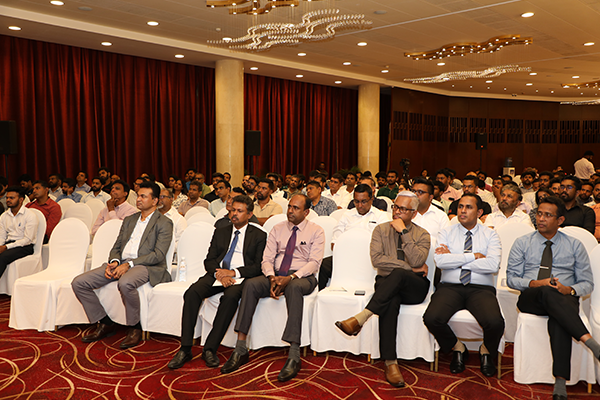

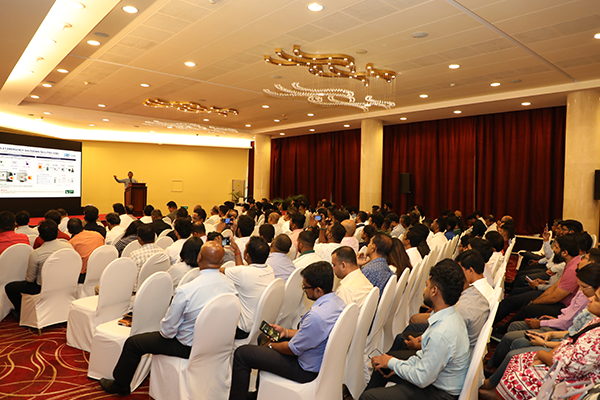
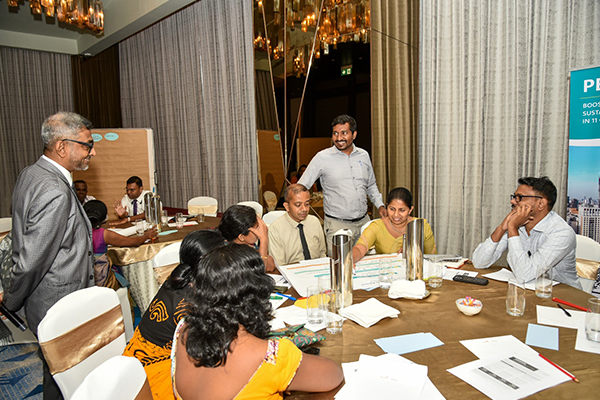
SLSEA and the PEEB Cool Programme are bringing policymakers and building practitioners together to improve energy efficiency, climate resilience and energy security across the public sector.
The Sri Lanka Sustainable Energy Authority (SLSEA), in collaboration with the PEEB Cool Programme implemented through GIZ Sri Lanka, has launched a national training programme on Energy Management Systems (EnMS) for public buildings. The initiative is intended to strengthen the capacity of government institutions to reduce energy use and operating costs while improving resilience to climate extremes and energy supply constraints.
The programme began with a one-day policy leadership workshop attended by officials from provincial councils, government ministries and public-sector organisations involved in policy development and implementation. Participants included representatives of the ministries responsible for defence, housing and health. A three-day practitioner training is being held from 15 to 17 July at Amari Colombo for officials responsible for operating and managing public buildings.
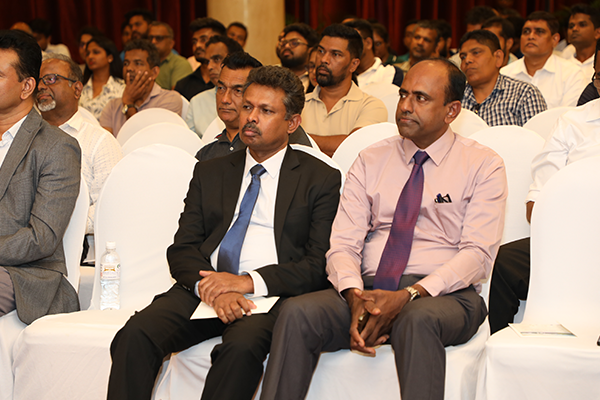
The inaugural session was attended by Prof. T. M. Wijendra J. Bandara, Chairman of SLSEA, together with senior officials and representatives of the participating institutions.
Designed as a two-tier capacity-building programme, the initiative addresses both the policy and operational requirements of energy management. The policy component focuses on the strategic role of EnMS in advancing energy security, affordability, greenhouse-gas emissions reduction and the modernisation of Sri Lanka's public-building stock. Participants examine international good practice, the principles of ISO 50001 and ISO 50005, and the policy and regulatory measures needed to support systematic energy management across government institutions.
The practitioner component translates these principles into day-to-day building operations. Through an application-oriented programme, officials are learning to apply the Plan-Do-Check-Act methodology, establish energy baselines and performance indicators, identify significant energy uses, maintain documentation and compliance processes, and implement the phased approach set out in ISO 50005. The training also emphasises continuous monitoring, internal accountability and management review so that energy-performance improvements can be sustained over time.
By bringing policy leaders and building managers into a common programme, SLSEA and PEEB Cool aim to close the gap between national policy commitments and implementation. The approach recognises that efficient buildings depend not only on new technologies or equipment upgrades, but also on clear institutional responsibilities, reliable data, operating procedures and informed decision-making.
The training forms part of broader PEEB Cool support to Sri Lanka through the programme's Enabling Facility, implemented by Deutsche Gesellschaft für Internationale Zusammenarbeit (GIZ) GmbH. This support includes work on building energy codes, energy benchmarking, digitalisation, policy and institutional frameworks, and sustained technical capacity development for energy-efficient and climate-resilient buildings.
Globally, buildings account for almost 40 per cent of energy-related greenhouse-gas emissions, while demand for space cooling is expected to double by 2040. PEEB Cool responds to this challenge by helping countries improve both the energy efficiency of buildings and their resilience to extreme climate events, economic crises and energy scarcity. The programme combines financing and policy support to bring ambitious projects to scale and deliver long-term transformation across the building sector.
PEEB Cool is a programme of the Partnership for Energy Efficiency in Buildings (PEEB). PEEB combines an Investment Facility, implemented by AFD Group, with an Enabling Facility, implemented by GIZ, linking project finance and technical assistance with policy reform, capacity-building and knowledge exchange. The Partnership is part of the Global Alliance for Buildings and Construction (Global ABC). The project operates in 11 partner countries across Africa, Asia, Eastern Europe and Latin America: Albania, Argentina, Costa Rica, Djibouti, Indonesia, Mexico, Morocco, Nigeria, North Macedonia, Sri Lanka and Tunisia.
PEEB is currently funded by the German Federal Ministry for the Environment, Climate Action, Nature Conservation and Nuclear Safety (BMUKN), the French Ministry of Ecological Transition (MTE), the Green Climate Fund (GCF), the European Union (EU), the Agence Française de Développement (AFD), the International Climate Initiative (IKI), and the Fonds Français pour l'Environnement Mondial (FFEM).
For Sri Lanka, the programme is expected to strengthen the institutional systems needed to measure, manage and continuously improve energy performance in public buildings. Over time, wider adoption of EnMS can help reduce public expenditure on energy, lower greenhouse-gas emissions, improve thermal comfort and make essential public services more resilient to climate and energy shocks.
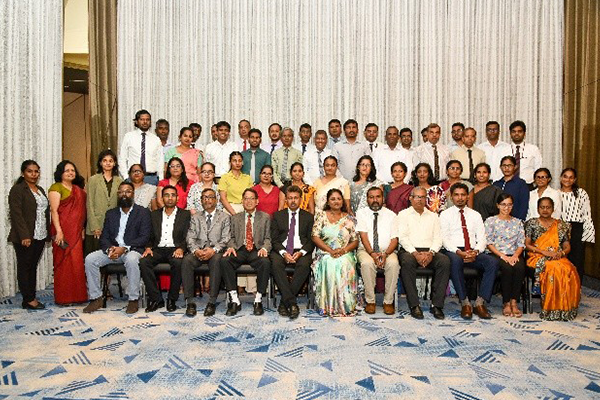
Officials and participants at the national Energy Management Systems training programme in Colombo.
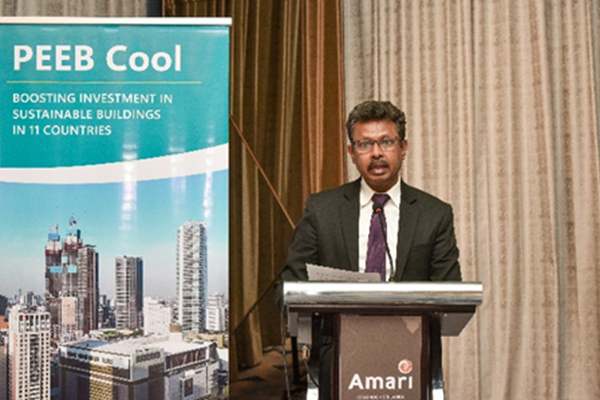
SLSEA Chairman, Prof. Wijendra Bandara addressing policymakers at the Energy Management Systems training program.
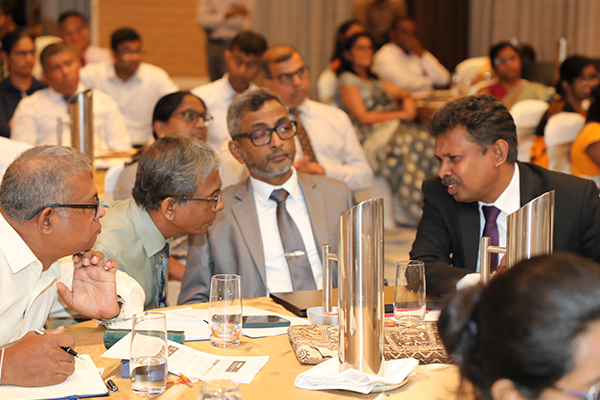
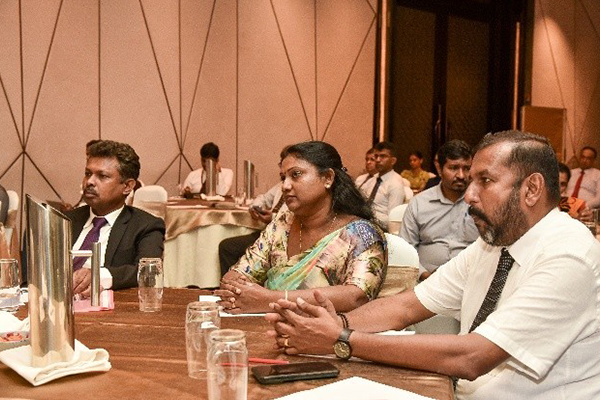
Officials engaging in stakeholder discussions on advancing energy-efficient and climate-resilient buildings in Sri Lanka.
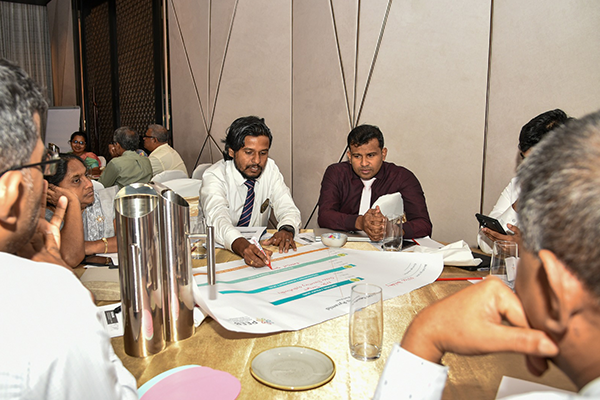
Government practitioners work through an application-based EnMS exercise during the training at Amari Colombo.

Participants engaging in group work and discussions with resource persons.
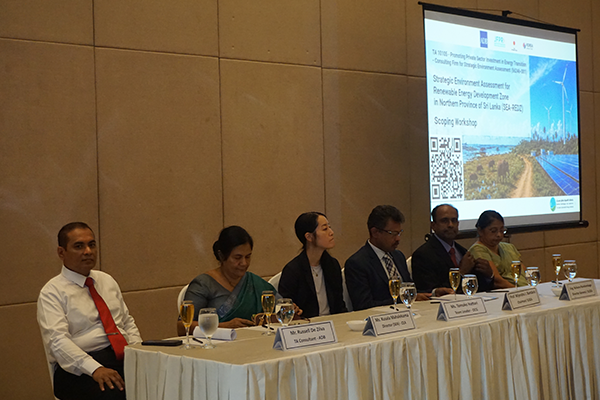
The Sri Lanka Sustainable Energy Authority (SLSEA) has initiated a Strategic Environmental Assessment (SEA) to support renewable energy development in the Northern Region of Sri Lanka. This is an important initiative aims to accelerate renewable energy development, strengthen strategic planning, and promote private-sector investments in the country’s energy transition. The SEA study is carried out by international and national experts under the technical and financial assistance of Asian Development Bank (ADB).
The Northern Region Scoping Workshop was held at the District Secretariat of Jaffna on 08 July 2026, with the participation of key government stakeholders representing the four districts within the study area of Jaffna, Kilinochchi, Mannar, and Mullaitivu.
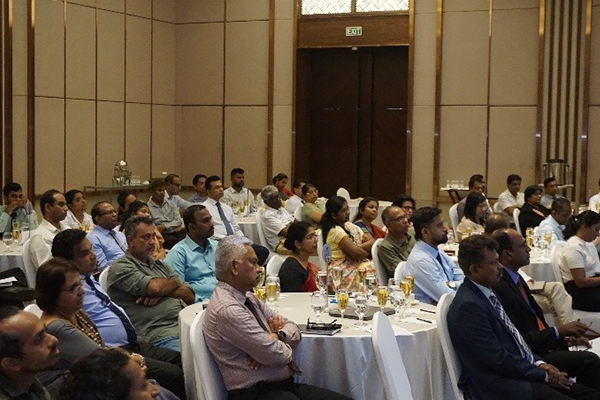
Subsequently, the second Scoping Workshop was conducted in Colombo on 13 July 2026 at Monarch Imperial in Sri Jayawardenapura Kotte to engage central government agencies and other national-level stakeholders relevant to the study.
During the Scoping Workshops, the scoping findings, preliminary mapping results, proposed detailed survey methodology, and the planned next steps of the study were presented. The workshops also provided an opportunity for stakeholders to enhance their understanding of the Strategic Environmental Assessment (SEA) process while serving as a platform to review the proposed approach and preliminary findings, and to provide valuable feedback, comments, and recommendations to guide the subsequent stages of the study.
SEA is a vital planning tool that integrates environmental considerations into policies, plans, and programs, thereby supporting sustainable development. It enables the identification of environmental and social challenges, explores mitigation alternatives, and facilitates informed decision-making by incorporating economic and social dimensions. Globally, SEA has been widely applied in the renewable energy sector to enhance sustainability outcomes. Through addressing key issues at the SEA stage, it is expected to reduce the scope and complexity of project-level Environmental Impact Assessments (EIAs), thereby minimizing implementation delays.
The study is being conducted in accordance with the Terms of Reference stipulated by the Central Environmental Authority (CEA), the national focal institution for SEA processes, which provides the framework and guidance for the assessment.
The event was graced by the Chairman of SLSEA Prof. T. M. Wijendra J. Bandara, Deputy General Manager of Oriental Consultants Global, Ms. Tomoko Hattori, SLSEA officials and other distinguished guests.

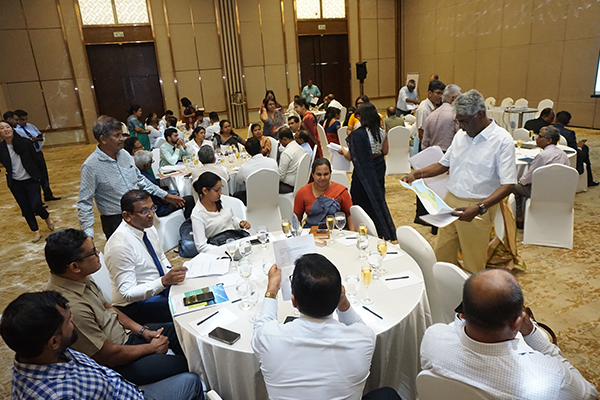
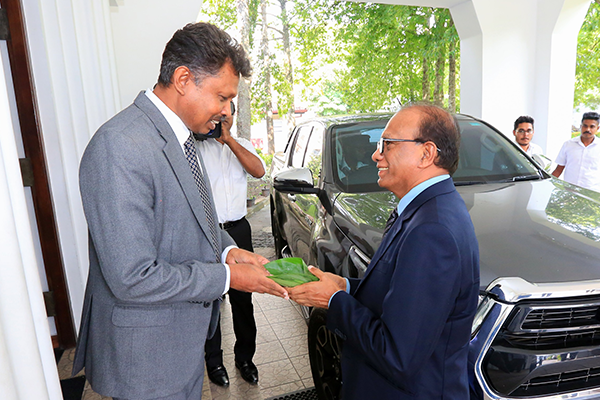
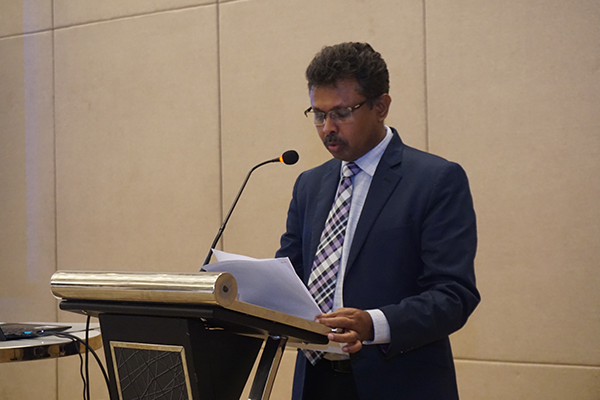
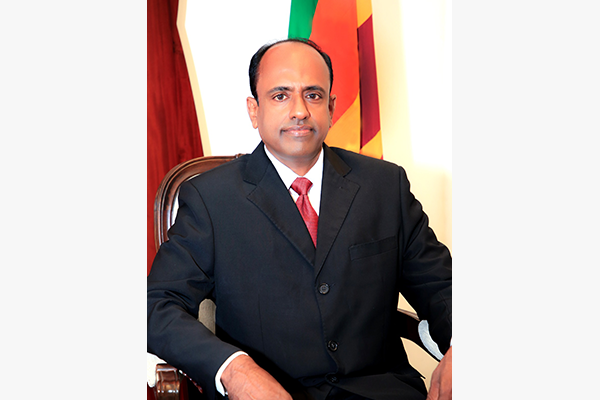
Eng. Rohana Randombage assumed duties on 08th July 2026 as the Director General of Sri Lanka Sustainable Energy Authority (SLSEA). The Chairman (SLSEA) Prof. Wijendra Bandara and officials from Ministry of Energy & SLSEA graced the occasion.
Eng. Rohana Randombage is a Mechanical Engineer graduated from the University of Peradeniya, holding a Master of Engineering Project Management from Auckland University of Technology in New Zealand and a Master of Business Administration (MBA) in Sri Lanka. Being an Associate Member of the Institution of Engineers, Sri Lanka (IESL) with over 24 years of industry experience, in senior leadership roles in both leading multinational and local organizations, he has successfully led engineering projects, manufacturing operations, and strategic business initiatives to achieve operational excellence, sustainability, and the development of high-performing teams.
He is committed to advancing Sri Lanka's sustainable energy agenda, promoting energy security, and driving the country's transition towards a cleaner and more resilient energy future.

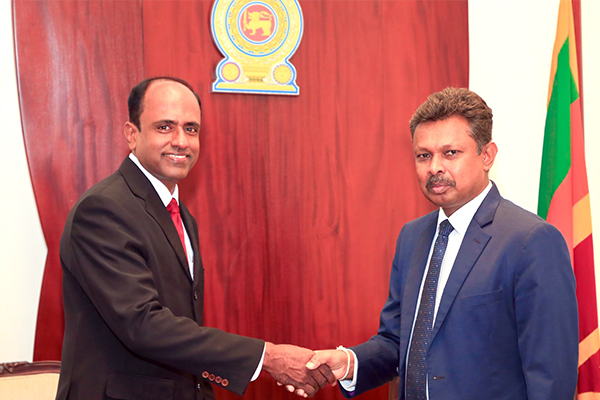
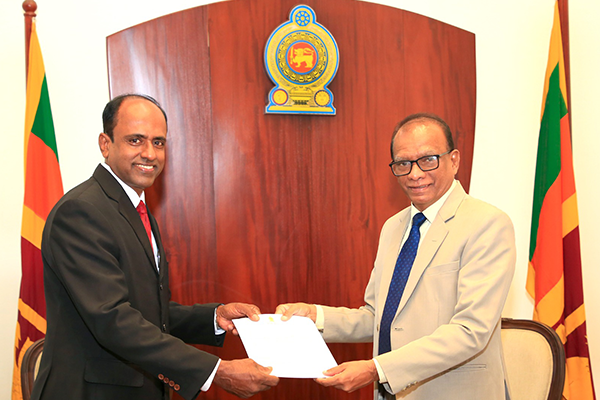
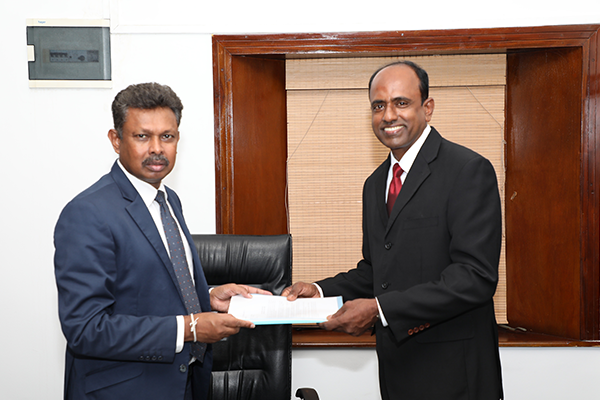
Sri Lanka has taken a historic leap toward a green energy revolution with the official launch of its first Offshore Wind Pre-Feasibility Report on 27 Feb 2026 at the Ministry of Energy, Colombo. This landmark study lays the foundation for achieving the nation’s goal of carbon neutrality by 2050.
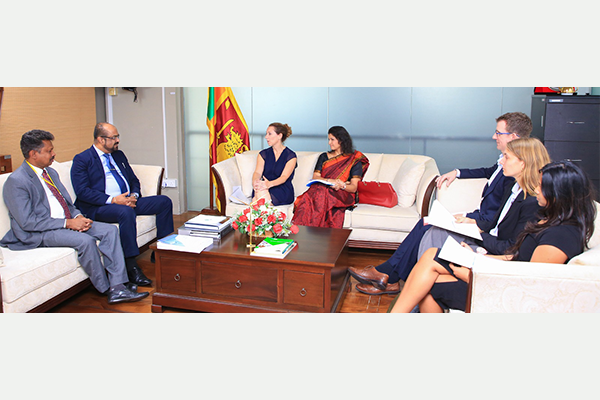
The event brought together key personalities, including Minister of Energy, Hon. Eng. Kumara Jayakody, Deputy High Commissioner of the British High Commission, Ms. Theresa O’Mahony, World Bank officials Ms. Prajakta Chitre and Mr. Chris Lloyd, the Chairman of SLSEA Prof. T. M. Wijendra J. Bandara and Deputy Director General (DSM) of SLSEA, Eng. Chamila Jayasekera.
Under the initial phase of identifying the off-shore wind power potential of the country, an astonishing potential of 56 GW was identified with Mannar, Puttalam and the Southern region as the key potential locations for project implementation. In this phase of the project (Phase II), pre-feasibility studies were carried out for Mannar and Puttalam. While it re-affirms the potentials of the two regions for off-shore wind power project implementation, Mannar shows a better potential as well. With Phase III studies, being in dialogue at present, Sri Lanka is poised to tender its first offshore wind projects within 2–3 years, driving economic growth, energy security, and international investment.
Funded by the UK Government and supported by the World Bank, this initiative marks a major step towards a sustainable, renewable-powered Sri Lanka, and long-term economic prosperity of the country.

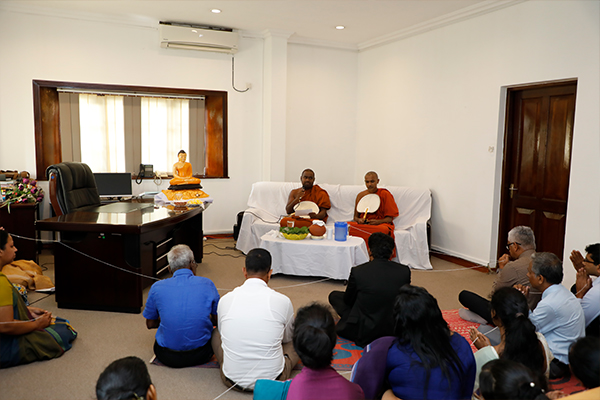
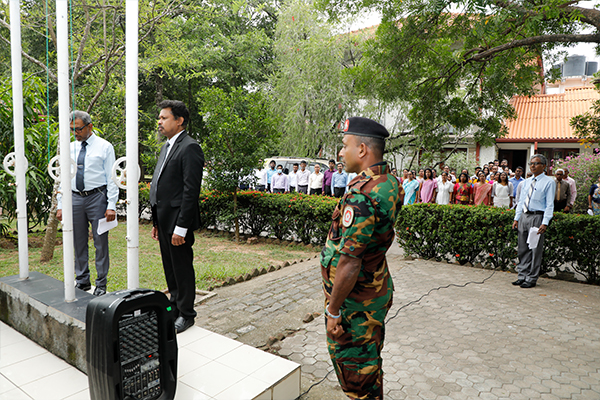
The dawn of new year 2026 was officially commemorated on 01.01.2026 at SLSEA premises in a simple ceremony. In line with it hoisting of national flag, official oath taking and chanting of Pirith took place in the morning with the participation of SLSEA officials and staff.
A batch of 14 of new Engineers joined the SLSEA in order to expand the scope of sustainable energy development in the Island. It will greatly assist to realise the vision of the government to reach the target of 70% RE into the national grid in 2030 and to drive the nation towards net zero emission in 2050.
The appointment letters were awarded to the new engineers by Minister of Energy, Hon. Kumara Jayakody, and Deputy Minister of Energy, Hon Arkam Ilyas. The Minister highlighted the significance of strengthening the country’s drive towards sustainable energy, and showed that it is being mainstreamed in the overall energy landscape. The pivotal role to be played by Sri Lanka Sustainable Energy Authority was highlighted in this context, and the contribution that has been make was appreciated.
The event was also attended by the Chairman of SLSEA, Prof. Wijendra J Bandara, Director General of SLSEA, Eng. Harsha Wickramaisnghe, officials of Ministry of Energy, SLSEA and other distinguished guests.